

The Mind-Body Connection in Functional Health Testing
The pulse behind the data.

We all know that the mind-body connection is real but what if we could take it a step further? Imagine seeing with your own eyes the subtle language between beliefs, emotions, and the body’s biological systems—where the mind influences not just how we feel, but also how our cells and organs function.
Although I’m formally trained in Traditional Chinese Medicine, I specialize in Functional Medicine; I’m particularly interested in how the energy body communicates across channels and cells—shaping patterns of health or disease. Unveiling insights from this subtle interplay can direct us to the root of our distress—and right on the other side—our vitality.
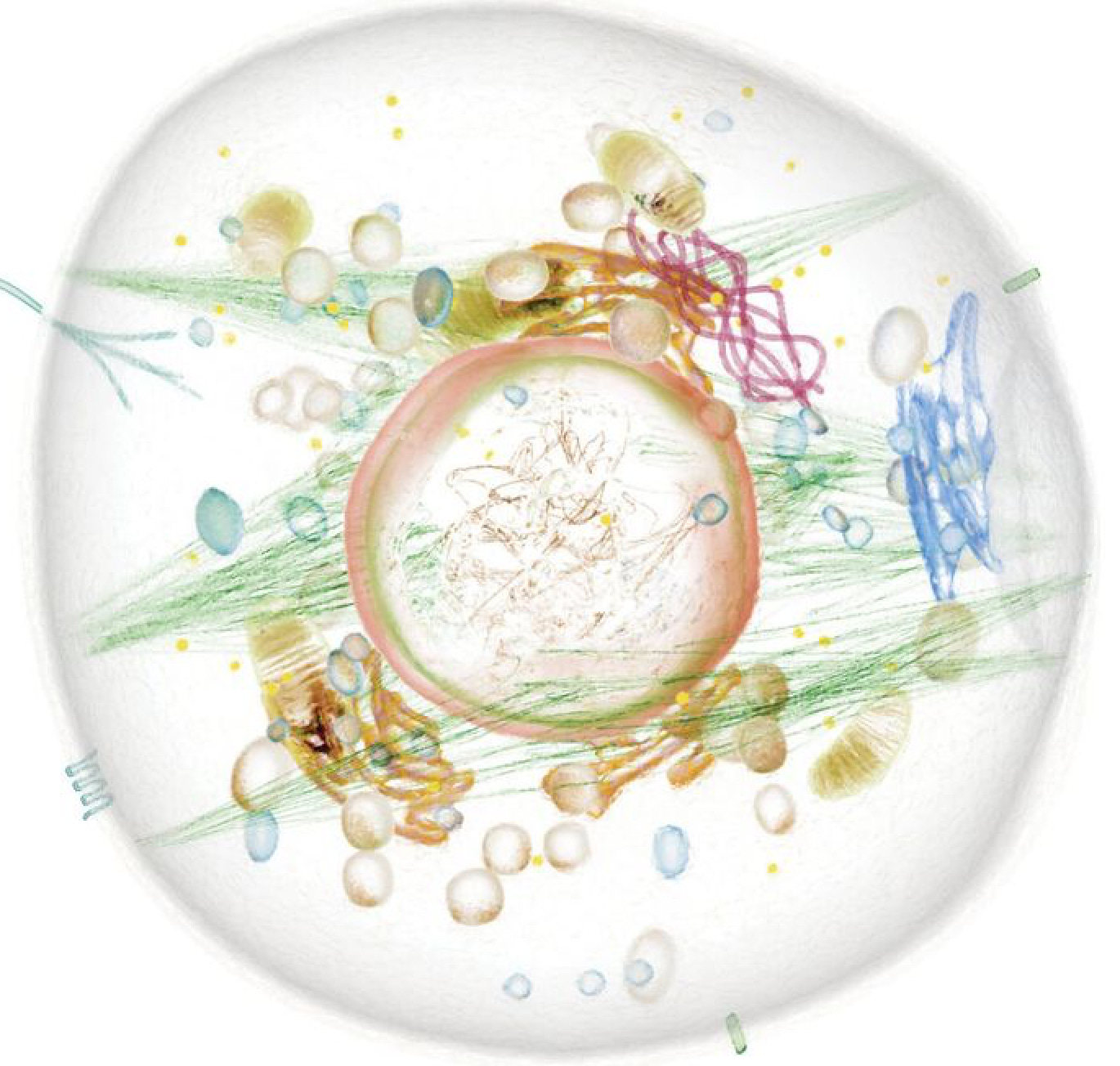
Catalysts For Insight: The Pulse & Functional Health Testing
My favorite aspect of Traditional and Classical Chinese Medicine is the pulse. Through the delicacy of the fingertips, a practitioner can explore an extraordinary range of diagnostic perspective—uncovering the energetic, physiological, and psycho-emotional terrain that shapes a person. This diagnostic tool will forever remain my greatest ally.
Alongside the pulse, I began incorporating Functional Health testing into my practice when I was working in the Bay Area of Northern California. I realized that people may be far more incentivized to make positive, lasting changes for their health and healing if they could:
a. see what was actually going on in their body
b. understand their health data with their own eyes
c. learn how to incorporate these insights into a fully integrated path of healing
Different from Western lab tests, Functional lab tests focus on biochemical and physiological imbalances rather than just diagnosing and bucketing diseases. They are often used to identify dysfunctions that might not yet show up as clear diseases but could contribute to chronic illness, fatigue, hormonal issues, or other health concerns.
While these tests aren’t perfect, they reveal key trends in metabolic function, nutrient deficiencies, immune function, gut health, and toxin and heavy metal exposure. The point of getting this kind of in-depth analysis is simple—identify the root cause of symptoms and prevent disease from progressing or from happening at all.
Cellular Coping Mechanisms
As I observed and tracked Functional lab results over time, I was unsurprised to see the expected physiological connections between environmental inputs (like toxins) and systemic responses (like chronic inflammation). These well-documented relationships were predictable, as they aligned with the conventional understanding of how our bodies react to stressors. But to my surprise, a more profound pattern began to emerge—one that I had only ever felt with my fingertips.
I began to notice a nuanced connection between clients’ emotional and mental states and their biodata. I came to see biodata as beyond a set of measurements—it is, in essence, an exposé of the human attachment system. It reveals the body’s deepest coping mechanisms—its cellular strategies designed to navigate the complexities of life, relationships, trauma, and survival.
Whether through the activation of stress hormones, inability to assimilate nutrients, suppression of the immune system, or seemingly random allergic responses to foods, the body is constantly adapting to an internal belief system in addition to its external environment. The body’s biodata comes together like the melody of a song—through rhythm, tone, and structure, health is shaped by an interplay of signals, chemicals, and processes that work in melodic harmony, or discord.
What began as scientific observation soon morphed into humbled fascination: the body, in all its complexity, remembers. It doesn't just react to external stimuli; it remembers emotional pain, traumatic experiences, repressed feelings, unresolved conflicts, and long-held beliefs—and these cellular memories manifest themselves in the data we measure. Just like identifying patterns of a pulse, biodata can be interpreted with the same level of precision and intuition, revealing the underlying blueprint of health, imbalance, and potential for transformation.
The Power of Seeing It
Now, clients and I often sit together in awe and appreciation of what the body has to say at every level of diagnostic insight—from biological, to emotional, and even spiritual. It’s my intention to explore health data in a way that empowers, rather than overwhelms. Too often, medical information can feel confusing, leaving uncertainty, fear, and disorientation (I’ve experienced this personally).
By gaining clear and actionable health insights whilst embracing the root causes of imbalances, there is agency in claiming a personal path to wellness. Getting to the bottom of a health issue isn’t just about identifying symptoms—it’s about opening the door to deeper self-understanding. This is important as nature has cunning ways of finding our most vulnerable blind spots, especially when it comes to the body.
Interpreting biodata has affirmed the importance of considering mental and emotional underpinnings of disease versus fixating solely on physiological causes and solutions. Ancient Chinese Medicine texts clearly articulate that aside from an externally contracted pathogen (like a virus, bacteria, toxin etc.) the only cause of internal illness is unresolved emotion. From what I’ve observed through the pulse and the data, I have to say I agree.
If you're curious to see what your body has to say, feel free to schedule an initial consultation here. You can also learn more about Functional Health Testing and Holistic Healing at aarowellness.com.